Retaining Wall Blocks: The Complete Guide for Homeowners and DIY Enthusiasts
Retaining wall blocks are the unsung heroes of landscape design, transforming sloped yards into usable spaces while adding visual appeal to your property. Whether you're dealing with erosion issues, creating terraced gardens, or simply looking to define your outdoor living areas, these versatile blocks offer both structural support and aesthetic enhancement. This comprehensive guide will walk you through everything you need to know about retaining wall blocks—from selecting the right type for your project to installation tips and long-term maintenance.
Understanding Retaining Wall Blocks and Their Purpose
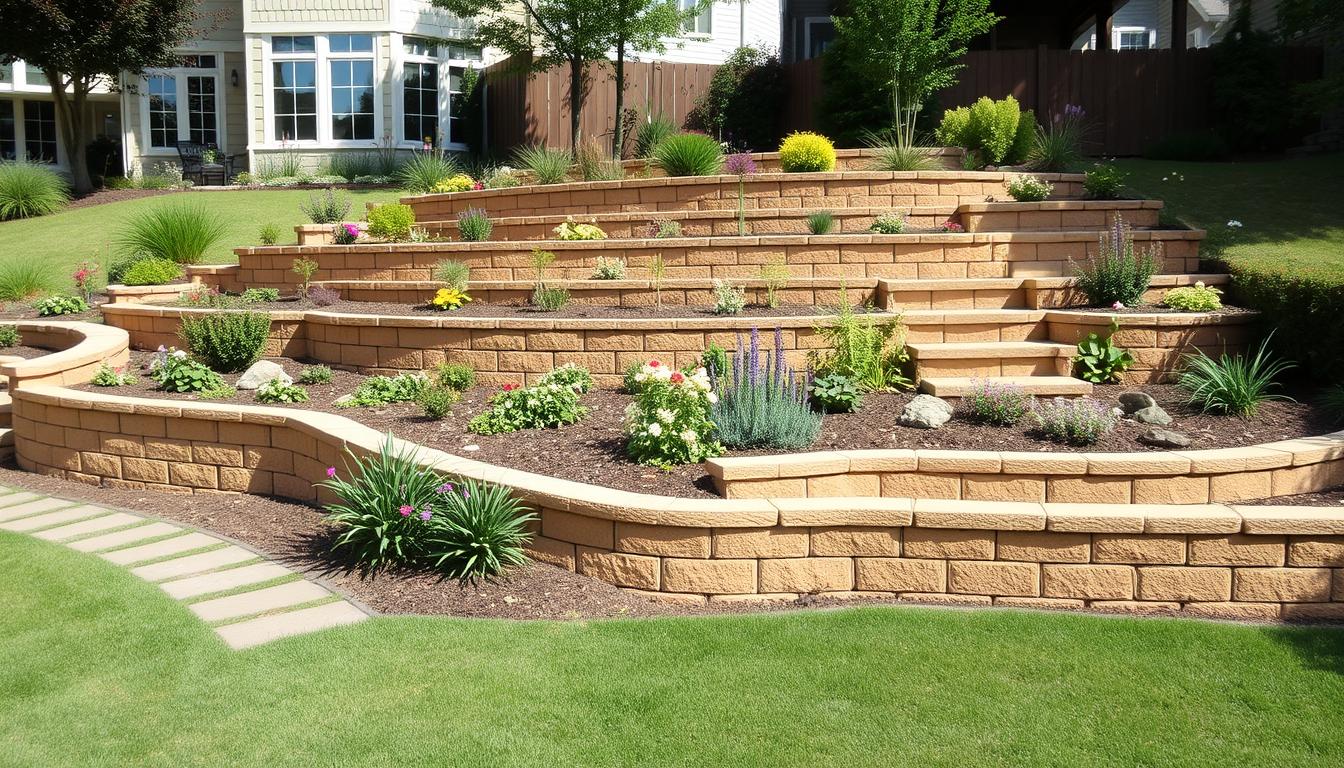
Retaining walls serve both practical and decorative functions in your landscape. At their core, these structures hold back soil and prevent erosion on sloped properties. But beyond this essential purpose, they create new opportunities for your outdoor space.
Expert Retaining Solutions for Every Landscape
Explore our tailored solutions for enduring and attractive retaining walls.

Functional Benefits
Prevent soil erosion on sloped properties
Create level areas for patios, gardens, or play spaces
Manage water runoff and improve drainage
Add structural support to landscapes
Increase usable outdoor space
Aesthetic Benefits
Define and separate different landscape zones
Create visual interest with texture and dimension
Serve as backdrop for plantings and garden features
Complement architectural style of your home
Provide built-in seating or display areas
Types of Retaining Wall Blocks
Gravity Blocks
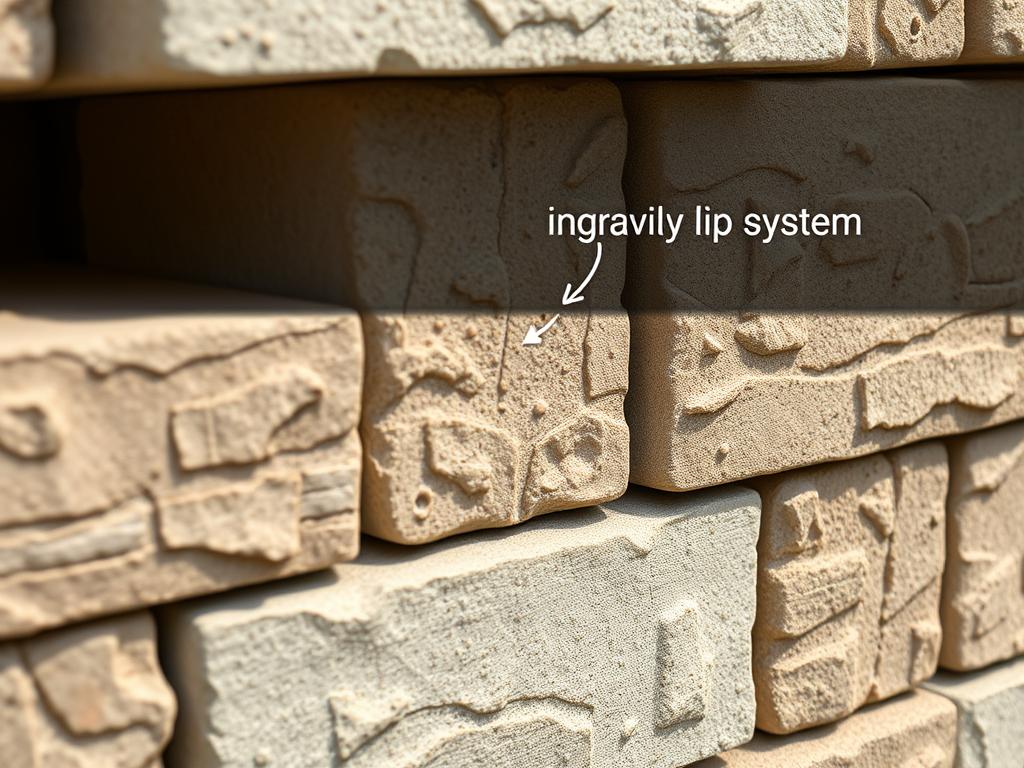
These blocks rely on their weight and setback (the way they're stacked slightly back from the block below) to resist soil pressure. They typically feature interlocking lips or pins that create a secure connection between courses.
Best for: Walls up to 3-4 feet high without additional reinforcement
Geogrid Reinforced
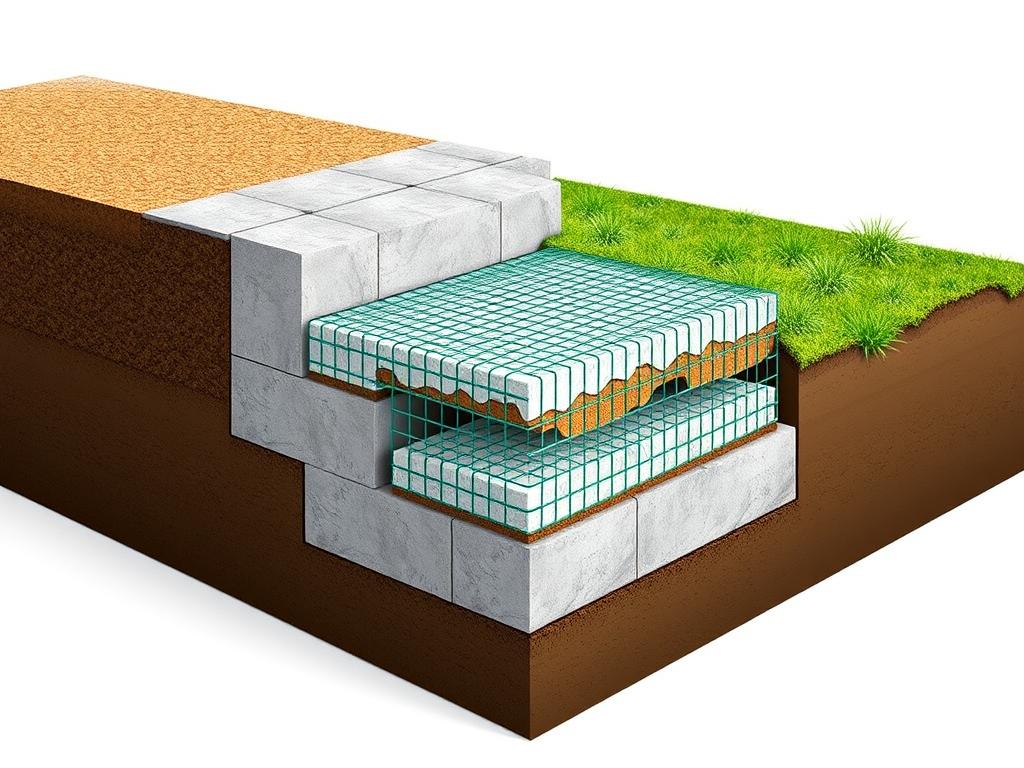
These systems use geogrid (a synthetic mesh material) that extends back into the soil behind the wall, creating a reinforced soil mass that works with the blocks to resist pressure.
Best for: Taller walls (4+ feet) or walls supporting heavy loads
Freestanding/Garden Walls
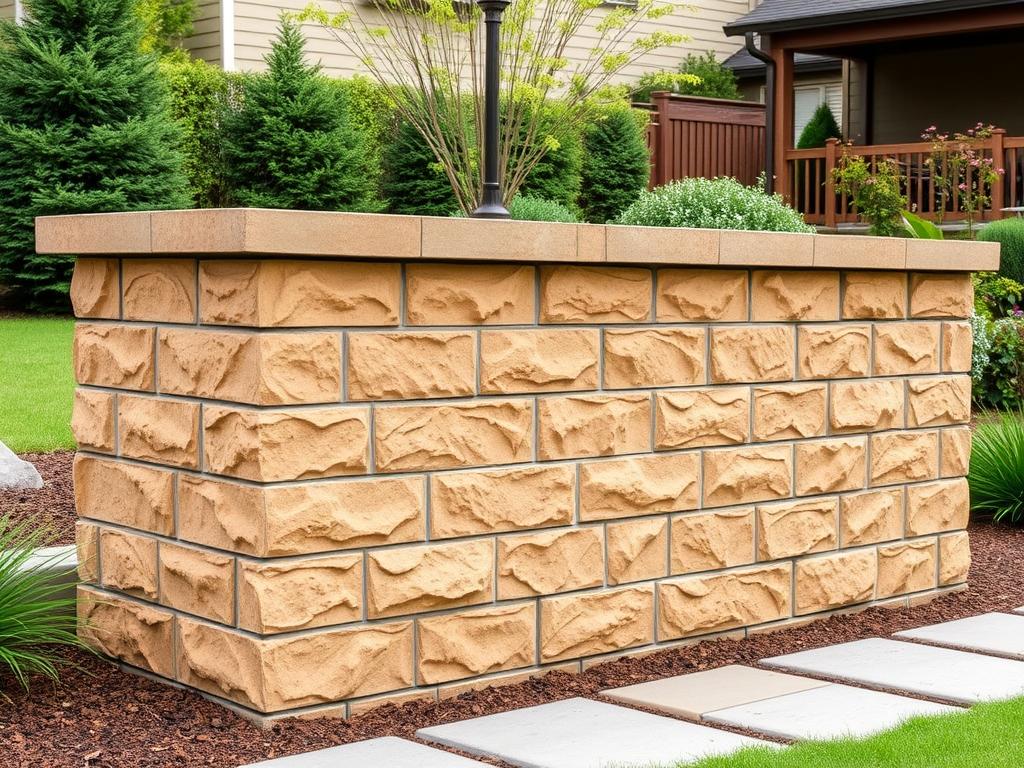
These blocks have a finished appearance on multiple sides, making them ideal for walls that are visible from both sides. They're typically smaller and more decorative.
Best for: Low decorative walls, garden borders, and seating walls
DIY Installation Guide for Retaining Wall Blocks
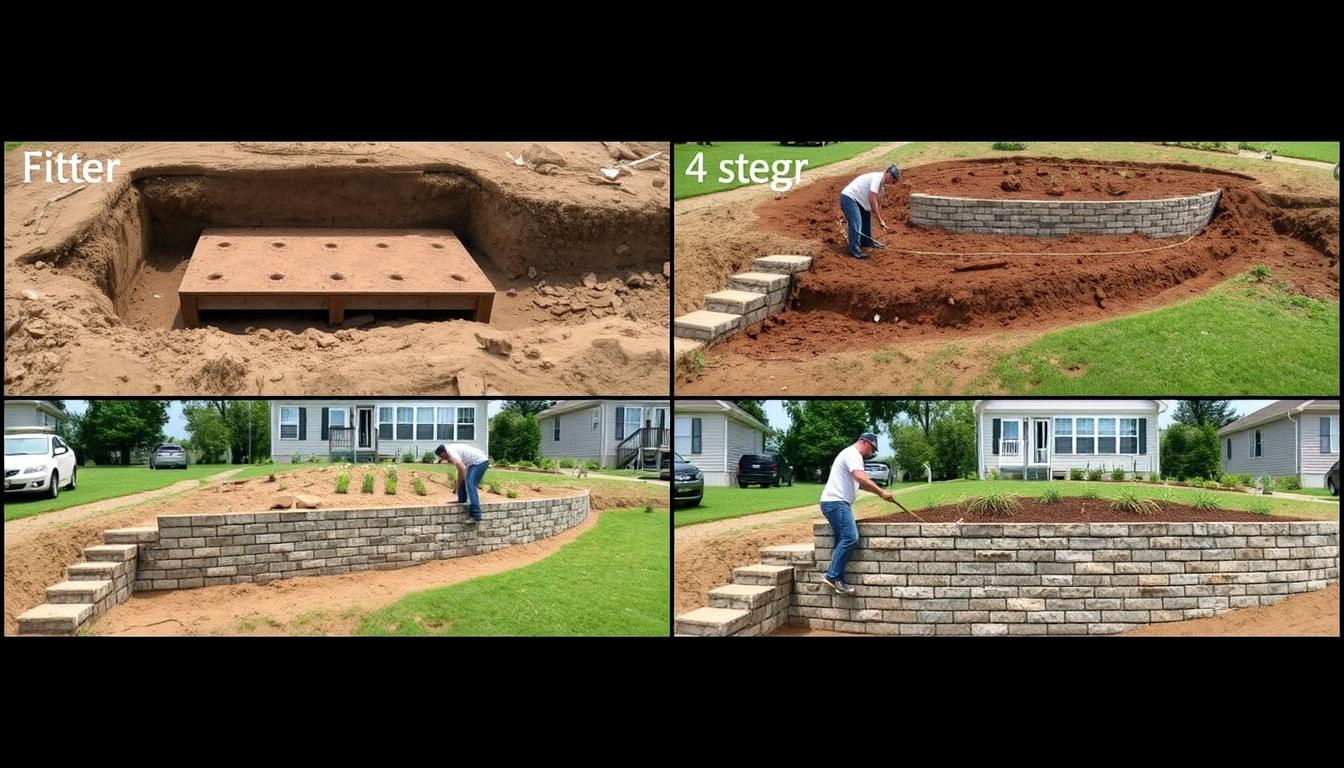
Installing a retaining wall is a rewarding DIY project that can dramatically improve your landscape. While professional installation is recommended for walls over 4 feet tall or those in challenging situations, many homeowners can successfully tackle smaller projects with proper planning and preparation.
Plan and Prepare
Excavate the Area
Prepare the Base
Install the First Course
Add Drainage
Stack Additional Courses
Backfill as You Go
Install Cap Blocks

Long-Term Maintenance
Inspect annually for any shifting or bulging
Clear drainage outlets to prevent clogging
Remove any deep-rooted vegetation growing in the wall
Check cap blocks for secure attachment
Clean wall surface as needed to remove dirt and algae

Creating Your Perfect Retaining Wall Project
Retaining wall blocks offer a versatile, durable solution for transforming your landscape. Whether you're tackling erosion issues, creating new usable space, or simply enhancing the beauty of your outdoor areas, a well-designed retaining wall can add both function and value to your property.
Testimonials
FAQs
Your Questions Answered: Essential Info on Retaining Walls
What materials do you use for retaining wall construction?
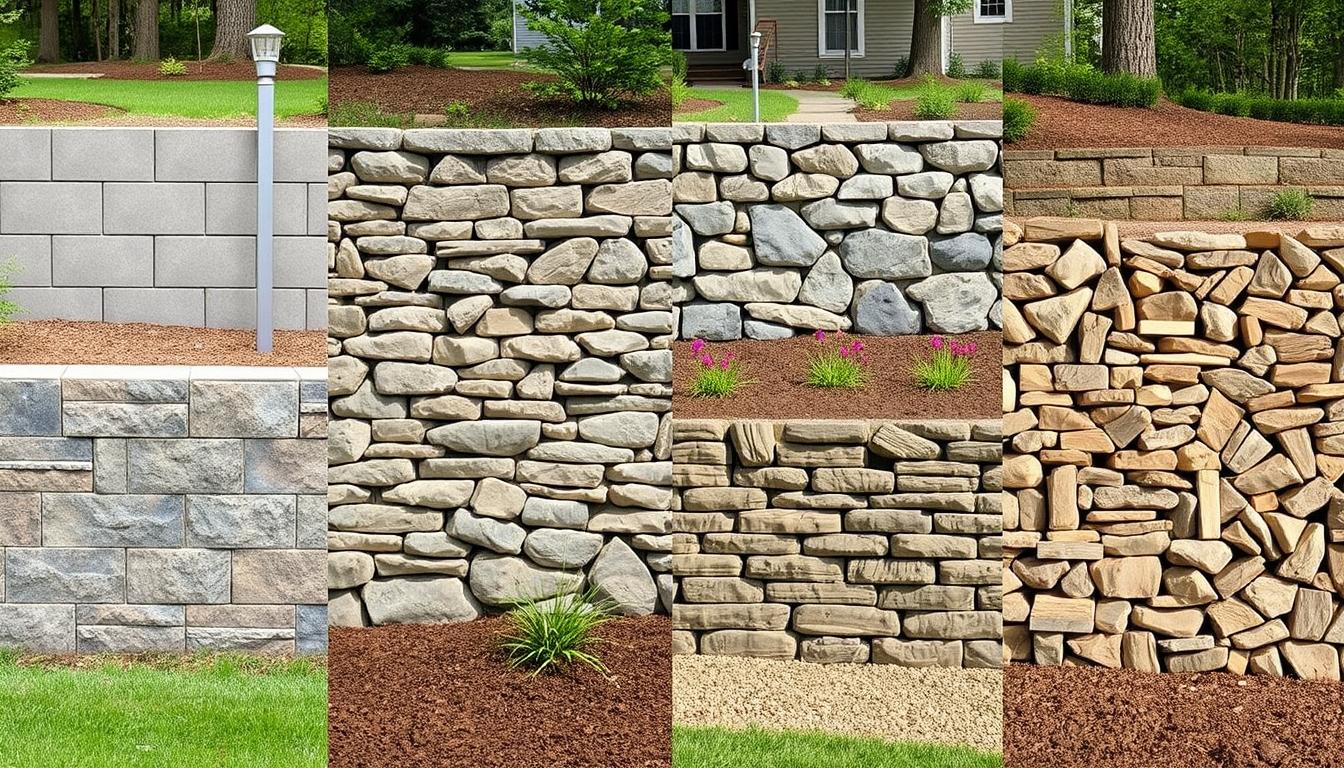
We use stone, precast concrete, poured concrete, and timber based on project requirements and client preferences.
How long does it typically take to build a retaining wall?
Building time varies by size and complexity, typically ranging from a few days to several weeks.
Is there a warranty on the retaining walls you build?
Yes, we offer a comprehensive warranty covering material defects and workmanship for five years.
Do I need a permit for a retaining wall?
In most cases, a permit is required for retaining wall construction, especially for walls over a certain height. We handle all aspects of permit acquisition and ensure that all local building codes and regulations are met.
Can retaining walls help prevent flooding
Yes, properly designed and constructed retaining walls can effectively manage stormwater runoff, reduce down-slope erosion, and minimize the risk of flooding in susceptible areas
How do I know if I need a retaining wall?
If you're experiencing soil erosion, sloping land, or need flat areas on a slope, a retaining wall might be necessary. We offer free consultations to assess and recommend solutions.
Your Gateway to Global Adventures Await Here.
Facebook
Google Plus